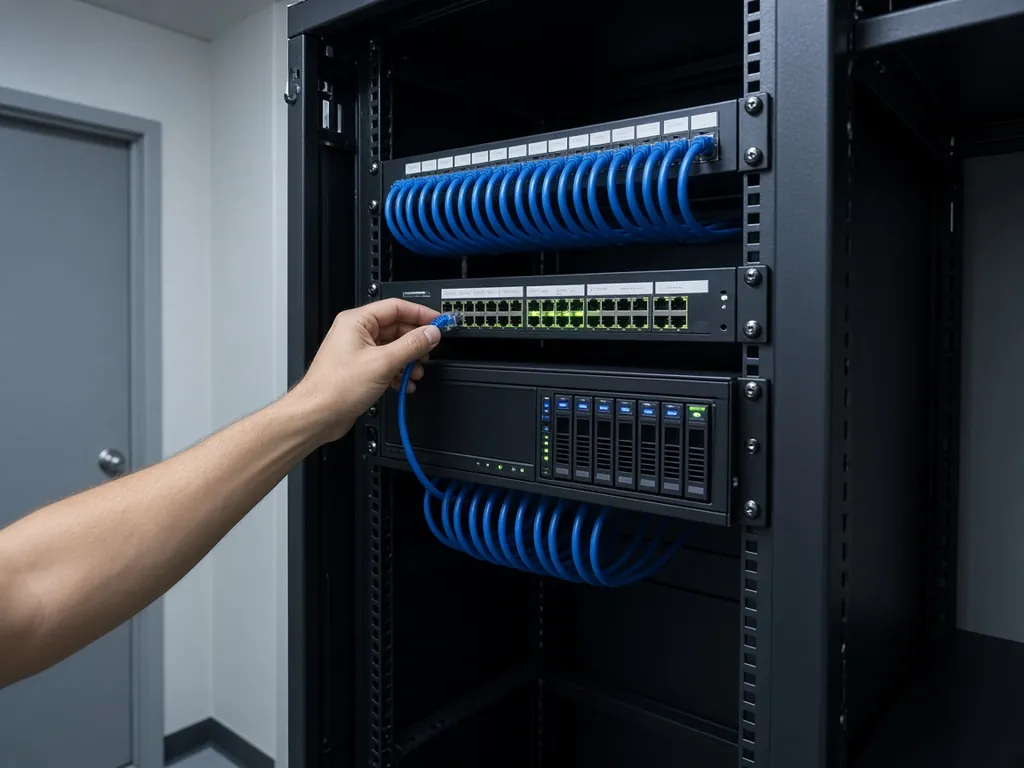
If you are under attack right now: disconnect affected devices from the network (unplug the cable or turn off Wi-Fi), do not power them off if you can avoid it, and call your IT provider and cyber insurer. Report to the FBI via ic3.gov or your local FBI field office.
1. Prepare
- Keep offline or immutable backups and test them.
- Keep a printed contact list: IT provider, insurer, bank, legal counsel, key staff.
- Know where your critical data and systems are.
- Enforce MFA and patching; remove unnecessary admin rights.
- Run a tabletop exercise once a year.
2. Detect and contain
- Identify affected systems and isolate them.
- Disable compromised accounts and reset credentials from a clean device.
- Preserve evidence: logs, ransom notes, screenshots.
- Notify your insurer before engaging outside responders; policies often require it.
3. Recover
- Confirm the attacker's access has been removed.
- Restore from clean backups, starting with the most critical systems.
- Rebuild rather than clean compromised machines where possible.
- Monitor closely for re-infection.
4. Report and learn
Report incidents to the FBI or CISA. Depending on your industry and the data involved, notification obligations may apply; consult legal counsel. Afterwards, hold a lessons-learned review and update this plan.
Frequently asked questions
Should we pay the ransom?
The FBI does not support paying ransoms, as payment does not guarantee data recovery and encourages further attacks. The decision has legal and practical implications; consult counsel and your insurer.
How often should we review the plan?
At least annually and after any significant change or incident.