Overview
Many attacks on small businesses are not sophisticated. They often start with a phished password, an unpatched laptop or an email that tricks someone into paying a fake invoice. The FBI's Internet Crime Complaint Center recorded more than one million complaints in 2025, with reported losses of about $20.9 billion, and business email compromise alone accounted for over $3 billion of reported losses.
We organise security around the six functions of the NIST Cybersecurity Framework 2.0: govern (own the risk), identify what you have, protect it, detect problems, respond and recover. For smaller teams, CISA's Cyber Essentials gives a plain-English starting checklist that we use in every assessment.
What's included
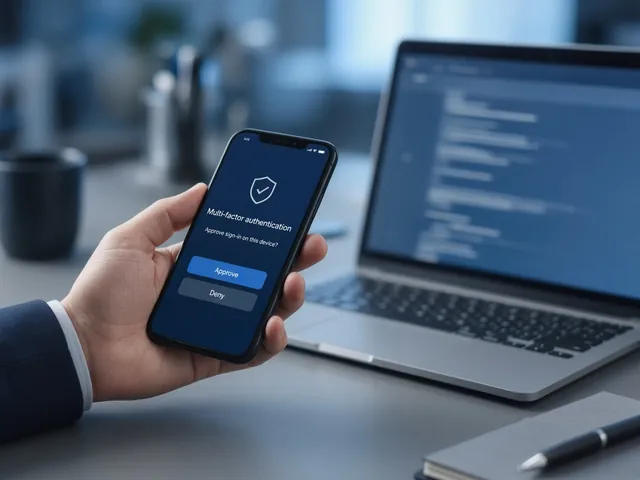
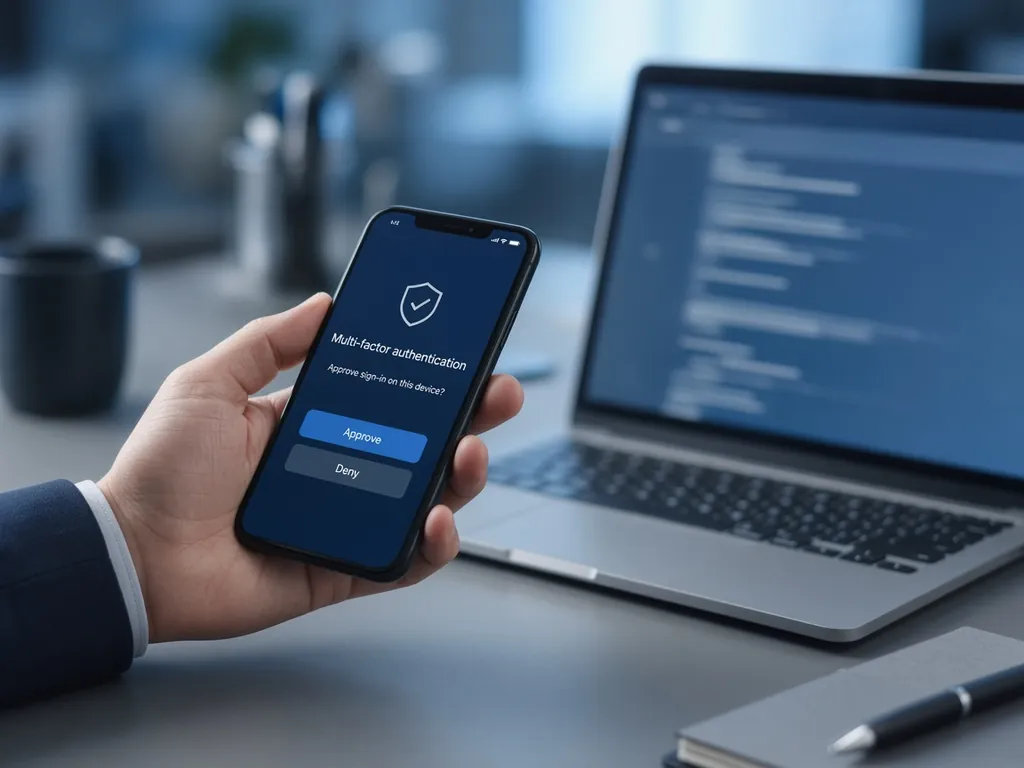
- Multi-factor authentication (MFA) rollout and conditional access
- Endpoint detection and response (EDR) with 24/7 alert monitoring
- Email filtering, impersonation protection and link scanning
- DNS and web filtering
- Patch and vulnerability management
- Security awareness training and phishing simulations
- Written incident response plan and tabletop exercise
- Annual security review mapped to NIST CSF
How it works
- Baseline: security assessment against CISA Cyber Essentials
- Quick wins: MFA, admin rights, backups and patching
- Layered tools: EDR, email security, filtering
- Ongoing: monitoring, training and an annual review
Frequently asked questions
We are small. Are we really a target?
Attackers use automated tools that scan for weaknesses regardless of company size. Small firms are often targeted because they have fewer defences, and email fraud does not care how many employees you have.
Do we need cyber insurance?
Many businesses carry it, and insurers increasingly ask about MFA, backups and endpoint protection before issuing a policy. We can help you answer insurer questionnaires accurately.
Can you guarantee we will never be breached?
No honest provider can. The goal is to make attacks much harder, spot them quickly, and recover without paying a ransom.