Overview
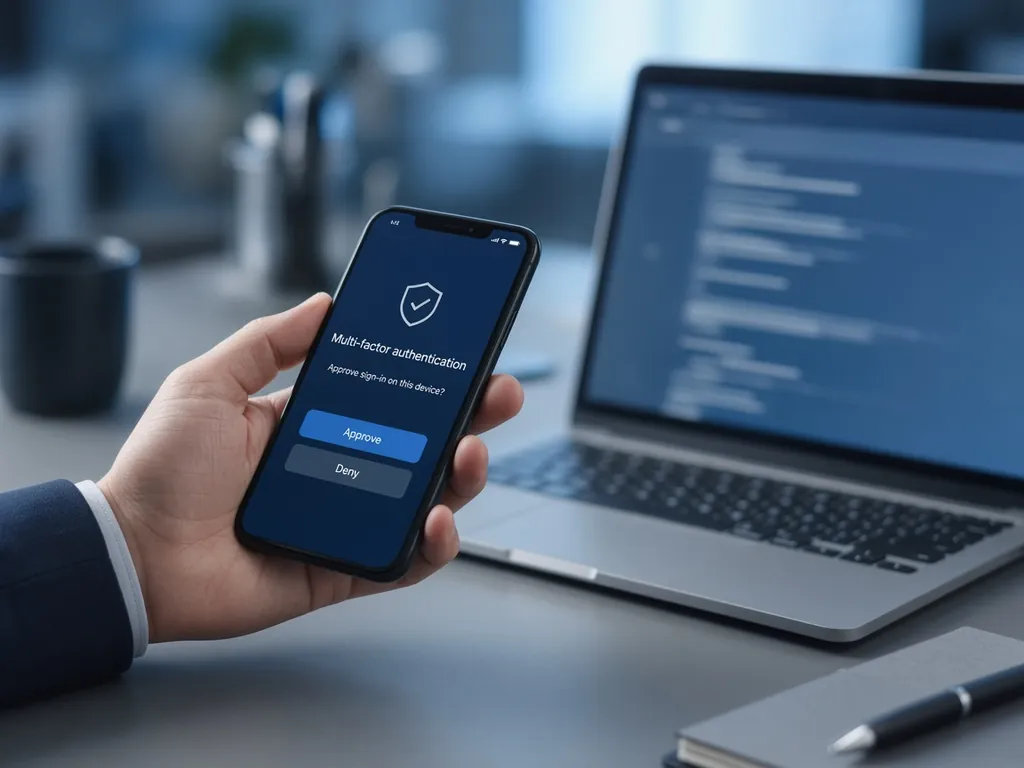
Business email compromise (BEC) is a scam in which criminals impersonate a supplier, client or executive by email to redirect a payment. It works because it looks like ordinary business. CISA recommends multi-factor authentication as one of the most effective single steps to protect accounts, because a stolen password alone is no longer enough to log in.
Our email security service combines technology with process: the best filter in the world will not help if staff change bank details on the strength of one email.

What's included
- MFA for every user, with phishing-resistant options for admins
- Removal of legacy authentication protocols
- Advanced spam, malware and impersonation filtering
- External-sender tagging and lookalike-domain alerts
- SPF, DKIM and DMARC configured for your domain
- Mailbox audit logging and suspicious-login alerts
- A written payment-change verification procedure for finance staff
How it works
- Review current sign-in methods and mail flow
- Enable MFA in phases with user guides
- Configure filtering and domain authentication (SPF/DKIM/DMARC)
- Train finance and admin staff on payment verification
Frequently asked questions
Which MFA method is best?
App-based push with number matching, or hardware security keys, are stronger than SMS codes. CISA describes phishing-resistant MFA (such as FIDO security keys) as the gold standard.
Will MFA annoy our staff?
Usually only for the first week. Conditional access can reduce prompts on trusted company devices.
What is DMARC?
A DNS record that tells other mail servers how to treat email claiming to be from your domain. It makes it harder for criminals to spoof your address.