

Overview
Law firms hold exactly what criminals want: confidential documents, settlement funds and trust accounts. ABA Formal Opinion 477R discusses a lawyer's duty to take reasonable efforts to secure client communications, and the FBI's IC3 data shows business email compromise remains one of the costliest reported cybercrimes.
We help firms put practical controls in place: MFA everywhere, secure file sharing for matters, protected mobile devices for attorneys in court, and a written procedure to verify any change to wire instructions.
Common IT challenges
- Confidential client documents across email, DMS and cloud storage
- Wire-fraud and fake-invoice attempts around settlements and real estate closings
- Practice-management, billing and e-filing systems
- Partners and associates working remotely and in court

How we help
- MFA, encryption and secure file sharing for client matters
- Payment-change verification procedures for trust accounts
- Document management and backup
- Mobile and remote access with device controls
- Security training focused on impersonation and wire fraud
Key services for this sector
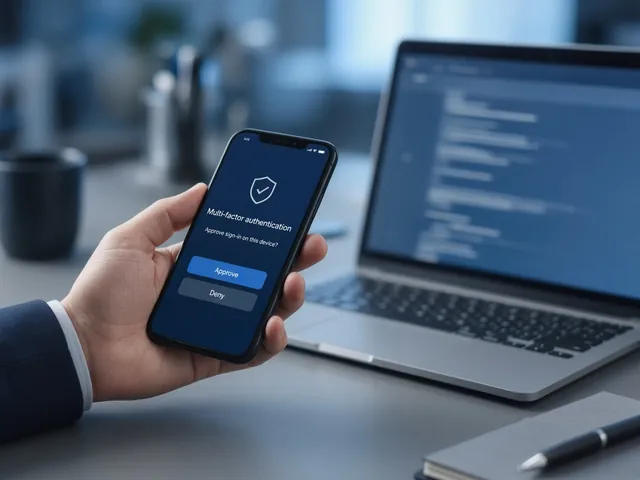 ServiceEmail security & MFAStop phishing, fake invoices and account takeovers with MFA, filtering and sensible policies.Learn more →
 ServiceSecurity awareness trainingShort, practical training and phishing simulations that build good habits without blame.Learn more →
 ServiceCybersecurity servicesLayered protection aligned to the NIST Cybersecurity Framework and CISA's Cyber Essentials.Learn more →
Frequently asked questions
Can you support our practice-management software?
We support the devices, network and accounts it relies on and coordinate with the vendor for application issues.
How do we stop wire fraud?
Combine MFA and email security with a mandatory call-back procedure using a known phone number before any wire instruction change.
Can attorneys work securely from home and court?
Yes, with managed devices, MFA and secure cloud access to documents.