The scale of the problem
$3.0B+reported BEC losses in 2025FBI IC3 2025 Internet Crime Report
24,768BEC complaints in 2025FBI IC3 2025 Internet Crime Report
$20.9Btotal reported cybercrime losses in 2025FBI IC3 2025 Internet Crime Report
These are complaints reported to the FBI's Internet Crime Complaint Center; many incidents are never reported, so the true figures are likely higher.
How it works
A criminal either takes over a real mailbox (often through a phished password) or creates a lookalike address. They watch conversations, then send a well-timed request: new bank details for a supplier, an urgent wire from the "CEO", or a change to an employee's payroll deposit.
Warning signs
- A request to change bank or payment details by email
- Urgency or secrecy ("I'm in a meeting, just get this done")
- A sender address that is almost right
- Replies that go to a different address from the sender
- Requests for gift cards
Controls that work
- Call-back verification: confirm any payment change by phone using a number already on file, never one in the email.
- Dual approval for new payees and large transfers.
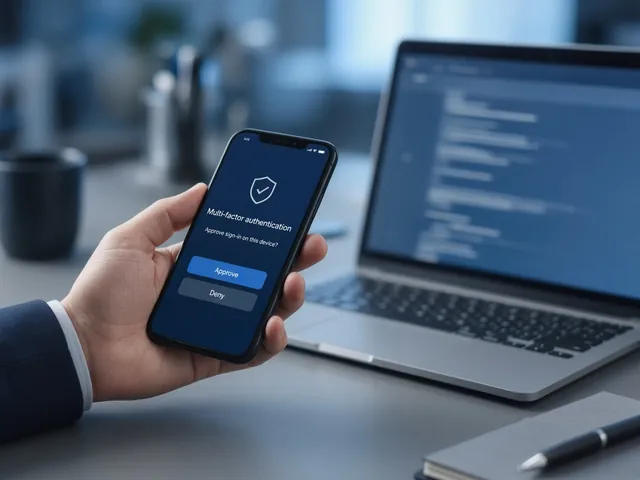
- MFA on every mailbox.
- External sender tags and lookalike-domain alerts.
- DMARC on your own domain.
- Training for finance and executive assistants.
If it happens
- Call your bank immediately and ask them to recall the transfer.
- Report it to the FBI at ic3.gov.
- Reset passwords, revoke sessions and check mailbox rules on affected accounts.
- Contact your cyber insurer and IT provider.
Frequently asked questions
Does BEC only affect large companies?
No. Small businesses, law firms, real estate closings and nonprofits are frequent targets.
Will insurance cover it?
Some cyber or crime policies cover social engineering fraud, often with conditions such as call-back verification. Check your policy wording.